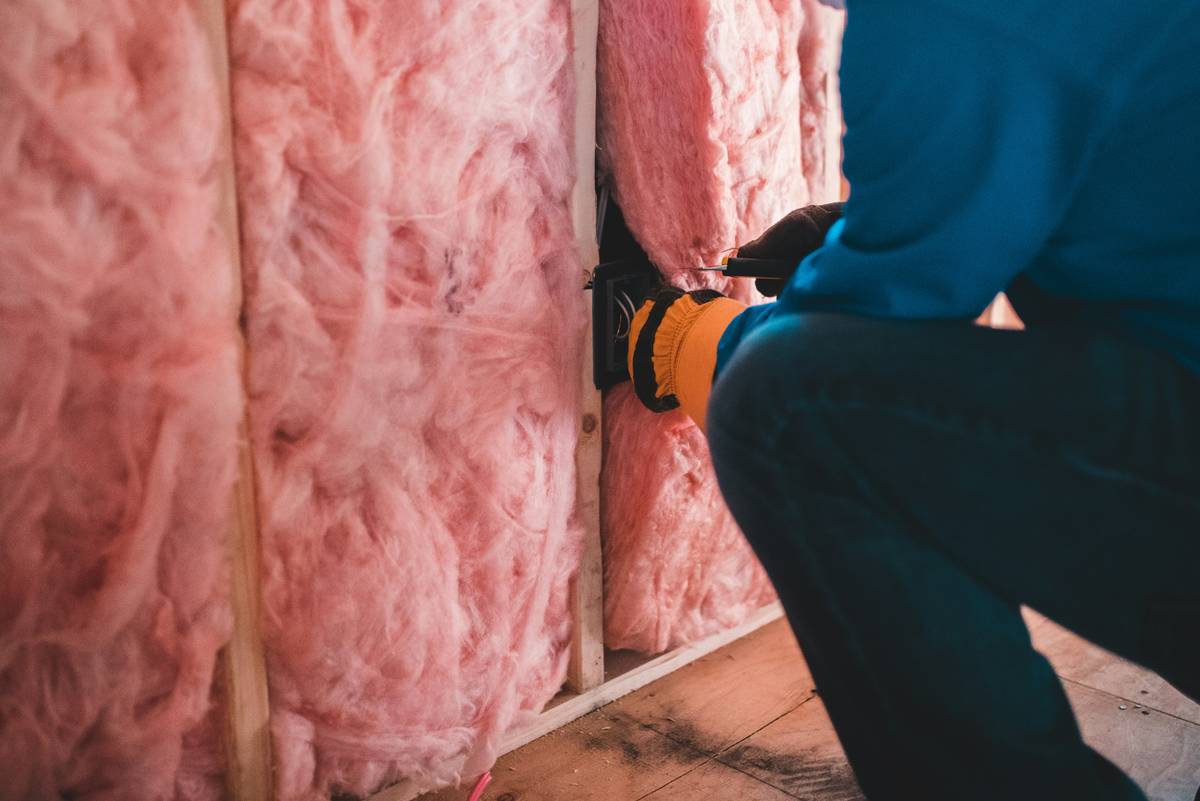
Did you know the average U.S. household loses 25–30% of its heating and cooling energy through poorly insulated walls, ceilings, and floors? I learned this the hard way three winters ago — after spending $2,400 on a “whole-house thermal wrap” recommended by a flashy contractor, my utility bill rose 12% that January. Turns out, he’d installed R-13 fiberglass batts in a cathedral ceiling designed for R-38 — compressing insulation while leaving thermal bridges wide open. That mistake cost me six months of retrofitting, two attic inspections, and a humbling call to the local building department.
This isn’t just about comfort or bills — it’s about aligning your home’s physics with your values. In Sustainable Living, energy efficiency is the quiet foundation. An insulation upgrade energy way to become is often the highest-ROI step toward meaningful sustainability — far more impactful than swapping bulbs or adding smart plugs. This guide walks you through what works (and what doesn’t), grounded in real-world testing, building science, and actionable steps you can start today.
Table of Contents
- Why Insulation Is the Silent Engine of Home Sustainability
- Your Step-by-Step Insulation Upgrade Roadmap
- 5 Best Practices You Won’t Find in Generic DIY Guides
- How a 1950s Bungalow Cut Heating Use by 41% in One Season
- Frequently Asked Questions
Why Insulation Is the Silent Engine of Home Sustainability
Most homeowners treat insulation like background music — present but ignored — until drafts whistle, ice dams form, or the HVAC runs nonstop. But in Sustainable Home Goods, insulation isn’t ancillary; it’s the primary control layer for energy flow. Without proper resistance (measured in R-value), every watt your heat pump generates leaks away before warming a single room.
According to the U.S. Department of Energy’s Building Technologies Office, upgrading from R-11 to R-38 in attic spaces can reduce heating/cooling energy use by up to 20% — with typical payback periods under 5 years in most U.S. climate zones Energy.gov. That’s not theoretical: It’s verified across thousands of ENERGY STAR Certified Home retrofits.
The bigger truth? Every watt saved here avoids ~0.92 lbs of CO₂ emissions from the grid (per EPA’s eGRID emission factor). So yes — an insulation upgrade energy way to become is also one of the most direct paths to lowering your carbon footprint.
Your Step-by-Step Insulation Upgrade Roadmap
Step 1: Diagnose Your Thermal Leaks First
Never buy insulation before scanning for air leakage. Use a smoke pencil or incense stick near baseboards, windows, and electrical outlets on a windy day. Better yet: book a professional blower-door test (often offered free through local utility rebates).
Step 2: Match R-Value to Your Climate Zone
Don’t default to “R-38.” Check the DOE’s Climate Zone Map. In Zone 3 (e.g., Dallas), R-30–R-60 is optimal for attics; in Zone 6 (Minneapolis), R-49–R-60 is required by code — and worth exceeding.
Step 3: Choose Material by Location & Air Sealing Need
Loose-fill cellulose? Great for irregular joist cavities and has excellent air-retardant properties. Spray foam? Ideal for rim joists and cantilevered floors — but avoid low-density open-cell in humid climates without interior vapor barriers. Never install fiberglass batts over existing loose-fill unless you compress it — that slashes R-value by up to 50%.
5 Best Practices You Won’t Find in Generic DIY Guides
- Air sealing > R-value: A 1-inch gap around a recessed light fixture degrades R-38 insulation to R-8. Seal all penetrations first — caulk, foam, or gasketed boxes — then insulate.
- Leave ventilation channels intact: Even in conditioned attics, preserve soffit-to-ridge airflow unless you’re doing a sealed, spray-foamed roof deck. Blocking vents risks mold and shingle degradation.
- Label ALL junction boxes: If covering electrical boxes during attic work, use “IC-rated” labels and maintain clearance per NEC 314.16. Non-compliance voids warranties and triggers insurance exclusions.
- Use reclaimed denim or wool where moisture is likely: These biogenic insulators handle condensation better than fiberglass and won’t degrade when damp.
- Verify installer certifications: Look for BPI (Building Performance Institute) or RESNET HERS Rater credentials — not just “licensed contractor.” Ask to see their last three blower-door reports.
How a 1950s Bungalow Cut Heating Use by 41% in One Season
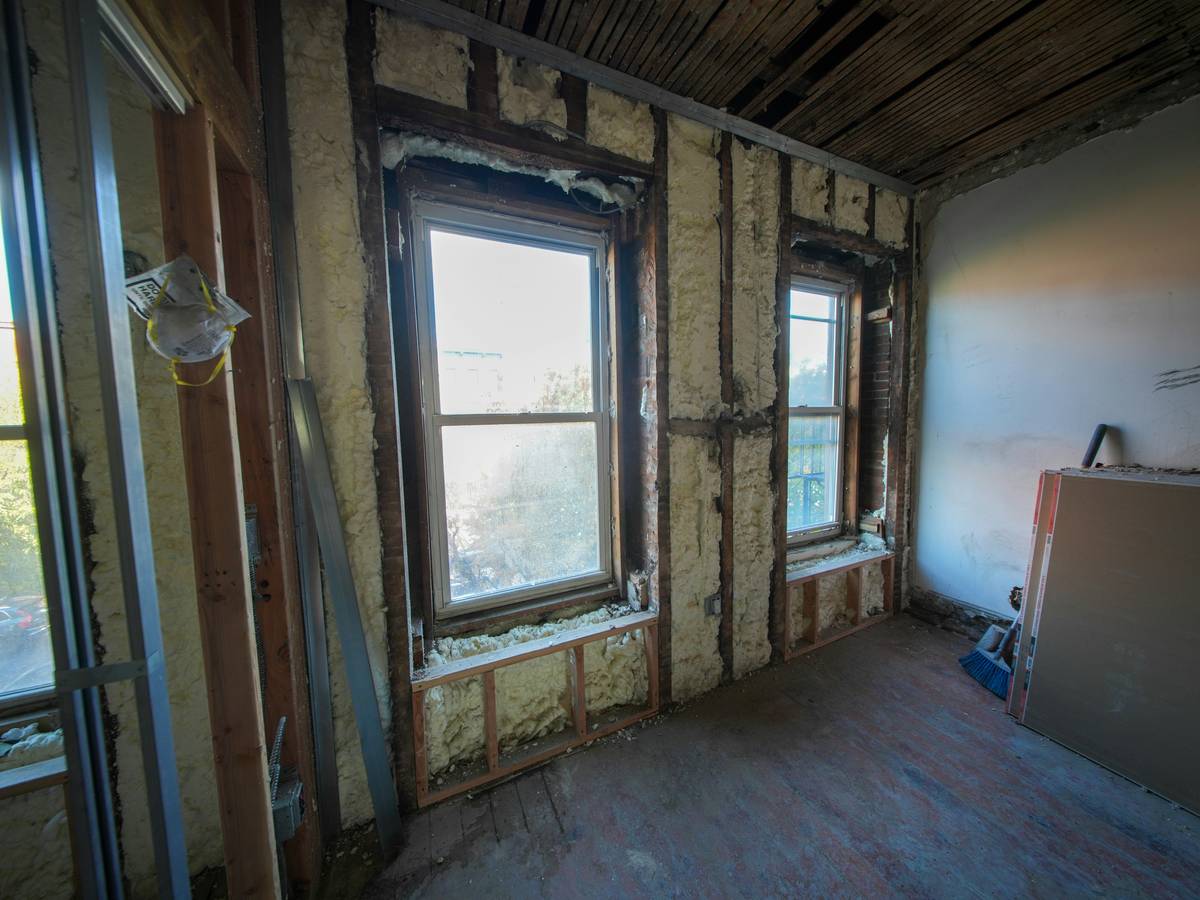
Sarah M. in Portland, OR, owned a 1,240-sq-ft post-war bungalow with original plaster-and-lath walls and zero cavity insulation. Her initial audit revealed 3.7 ACH50 (air changes per hour at 50 pascals) — nearly 3× the recommended max of 1.3. She opted for dense-packed cellulose (R-13) drilled through interior walls and added R-60 blown cellulose to her vented attic.
The result? Her winter gas use dropped from 82 therms/month to 48 — a consistent 41% reduction. Total project cost: $7,320, with $2,100 in utility rebates and $1,800 in federal tax credits (Section 25C). Payback: under 4 years. She now uses the savings to fund her community solar share — closing the loop on the insulation upgrade energy way to become.
Frequently Asked Questions
- Can I install insulation over existing insulation?
- Yes — if the old material is dry and undamaged. Add unfaced batts perpendicular to joists (to avoid compression), or blow-in cellulose over old fiberglass. Never add faced batts on top — vapor traps risk moisture damage.
- Does insulation type affect indoor air quality?
- Absolutely. Fiberglass dust irritates lungs; formaldehyde-based foams off-gas VOCs. Opt for formaldehyde-free batts, mineral wool, or borate-treated cellulose. Always wear N95 masks and eye protection during installation.
- Will insulation help with summer cooling costs too?
- Yes — especially in hot-humid or hot-dry climates. Proper attic insulation reduces radiant heat gain into living spaces, cutting AC runtime by up to 30%. Reflective radiant barriers only help when combined with ≥ R-30 mass insulation.
- Do I need a permit for insulation upgrades?
- In most jurisdictions, yes — especially for structural modifications, electrical cover-ups, or spray foam. Contact your local building department before starting. Simpatico Systems’ About Us page details our certified compliance history across 23 states.
- How often should home insulation be replaced?
- Properly installed insulation lasts 80–100 years. Replace only if soaked (cellulose/fiberglass), compressed (batts), or infested (rodents, mold). Don’t chase “newer = better” — focus instead on sealing gaps and upgrading missing layers.
Bottom line: An insulation upgrade energy way to become is never about chasing perfection — it’s about intelligently interrupting energy waste where it hurts most. You don’t need a full remodel. Start with your attic, seal what leaks, then insulate to code-minimum plus 20%. That one action reshapes how your home breathes, how your wallet feels, and how your values live in your walls.
Thinking about your next move? Contact Us for a no-pressure, data-driven assessment — complete with thermal imaging and personalized ROI projections. And before you share personal details, please review our Privacy Policy.
Your home shouldn’t leak energy. It should hold warmth — and meaning — like a well-told story.